


Boost Your Cycling FTP with Proven Cycling Power Training Tips
- Coach Darren Gibbons

- Apr 1
- 3 min read
If you want to ride faster and stronger, improving your Functional Threshold Power (FTP) is key. FTP is the highest power you can sustain for about an hour. It’s a great measure of your cycling fitness and a solid benchmark to track your progress. I’ve spent years refining my training, and I’m excited to share proven cycling power training tips that will help you boost your FTP effectively.
Let’s dive into practical strategies that you can start using today. These tips are designed to fit into your training routine, whether you’re a weekend warrior or a serious endurance athlete.
Understanding Cycling Power Training Tips for FTP Gains
Cycling power training is all about targeting your body’s ability to produce and sustain power. To improve your FTP, you need to train smart, not just hard. Here are some essential cycling power training tips that have worked for me and many others:
Consistency is key: Regular training sessions focused on power development will yield the best results.
Interval training: Incorporate intervals at or just above your current FTP to push your limits.
Recovery matters: Your body needs time to adapt and grow stronger, so don’t skip rest days.
Strength training: Off-the-bike strength work can improve your muscular endurance and power output.
Nutrition and hydration: Fuel your rides properly to maintain energy and aid recovery.
By combining these elements, you create a balanced approach that targets FTP improvement from multiple angles.

How to Structure Your Training Week for FTP Improvement
A well-structured training week balances hard efforts with recovery. Here’s a sample week that incorporates the best cycling power training tips:
Monday - Recovery ride: Easy spin for 45-60 minutes to promote blood flow.
Tuesday - FTP intervals: 3 x 10 minutes at FTP with 5 minutes rest between efforts.
Wednesday - Strength training: Focus on core and leg strength exercises.
Thursday - Sweet spot training: 2 x 20 minutes at 88-94% of FTP with 10 minutes rest.
Friday - Rest or active recovery: Light cycling or complete rest.
Saturday - Long endurance ride: 2-3 hours at 60-70% FTP to build aerobic base.
Sunday - High-intensity intervals: 5 x 3 minutes above FTP with equal rest.
This plan targets different energy systems and allows your body to adapt progressively. Remember, the quality of your intervals matters more than quantity. Focus on hitting the power targets precisely.
What is Lance Armstrong's FTP?
Lance Armstrong, one of the most famous cyclists, reportedly had an FTP around 450 watts during his peak. This number is exceptional and reflects his elite status. For context, a strong amateur cyclist might have an FTP between 250-300 watts, while professional cyclists often exceed 400 watts.
Understanding these numbers helps set realistic goals. You don’t need to be a pro to improve your FTP significantly. With consistent training and the right approach, you can push your limits and see impressive gains.
Practical Tips to Boost Your FTP Today
Now that you know the basics, here are some actionable tips to help you boost your FTP:
Test your FTP regularly: Every 6-8 weeks, perform an FTP test to track progress and adjust training zones.
Use a power meter: Training with power data allows precise control over your efforts.
Focus on pacing: During intervals, maintain steady power rather than surging and fading.
Incorporate cadence drills: Vary your cadence to improve pedalling efficiency.
Stay mentally strong: FTP intervals are tough. Use positive self-talk and focus on your breathing.
Join group rides or virtual races: They provide motivation and simulate race conditions.
Embracing Technology and Data for Smarter Training
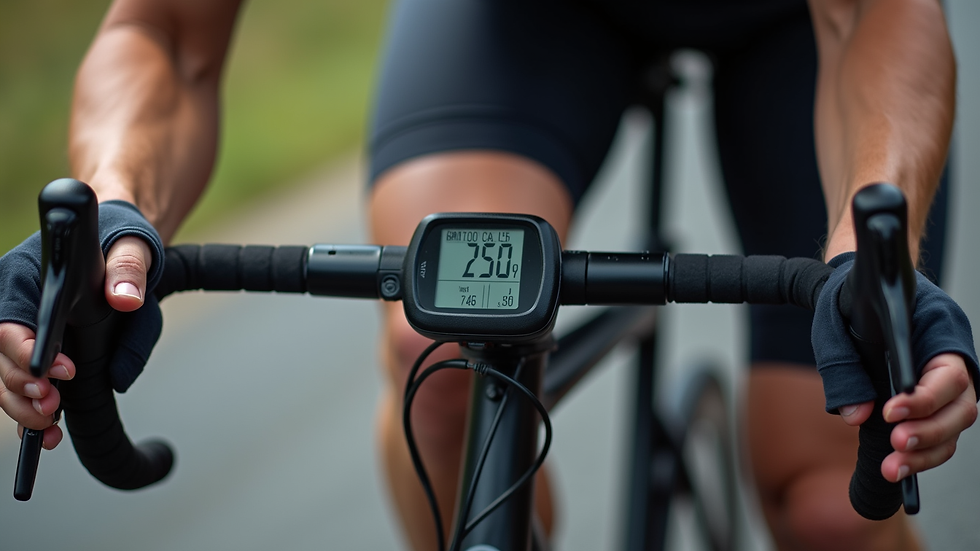
Technology has revolutionised cycling training. Using devices like power meters, heart rate monitors, and cycling computers gives you valuable data. This data helps you train smarter by:
Setting accurate training zones based on your FTP.
Monitoring fatigue and recovery through heart rate variability.
Tracking improvements over time with detailed ride analysis.
Customising workouts to target specific weaknesses.
Apps and platforms also allow you to connect with coaches and fellow athletes, creating a supportive community. This social aspect can boost motivation and accountability.
Keep Your Motivation High and Celebrate Progress
Improving FTP is a journey. It takes time, patience, and dedication. Celebrate small wins along the way, like hitting a new power target or completing a tough interval session. Remember, every ride counts.
Set realistic goals and track your progress. Use your FTP improvements to plan races or personal challenges. The sense of achievement will fuel your motivation to keep pushing.
Improving your cycling FTP is within your reach. By applying these proven cycling power training tips, you’ll build strength, endurance, and confidence on the bike. Stay consistent, listen to your body, and enjoy the ride. Your next breakthrough is just around the corner!


Comments